Unlocking Quantum Computing: A Beginner's Guide to Qubits and Quantum Supremacy
Introduction to Quantum Computing: Unlocking the Future of Processing
The field of computing has driven unprecedented technological advancement over the last half-century, largely powered by the steady miniaturization of transistors—a trend famously known as Moore's Law. However, as classical components approach the size of individual atoms, we encounter the fundamental limits of classical physics. Enter quantum computing: a revolutionary technology that abandons classical logic entirely, instead harnessing the bizarre and counterintuitive principles of quantum mechanics to perform calculations and operations on data.
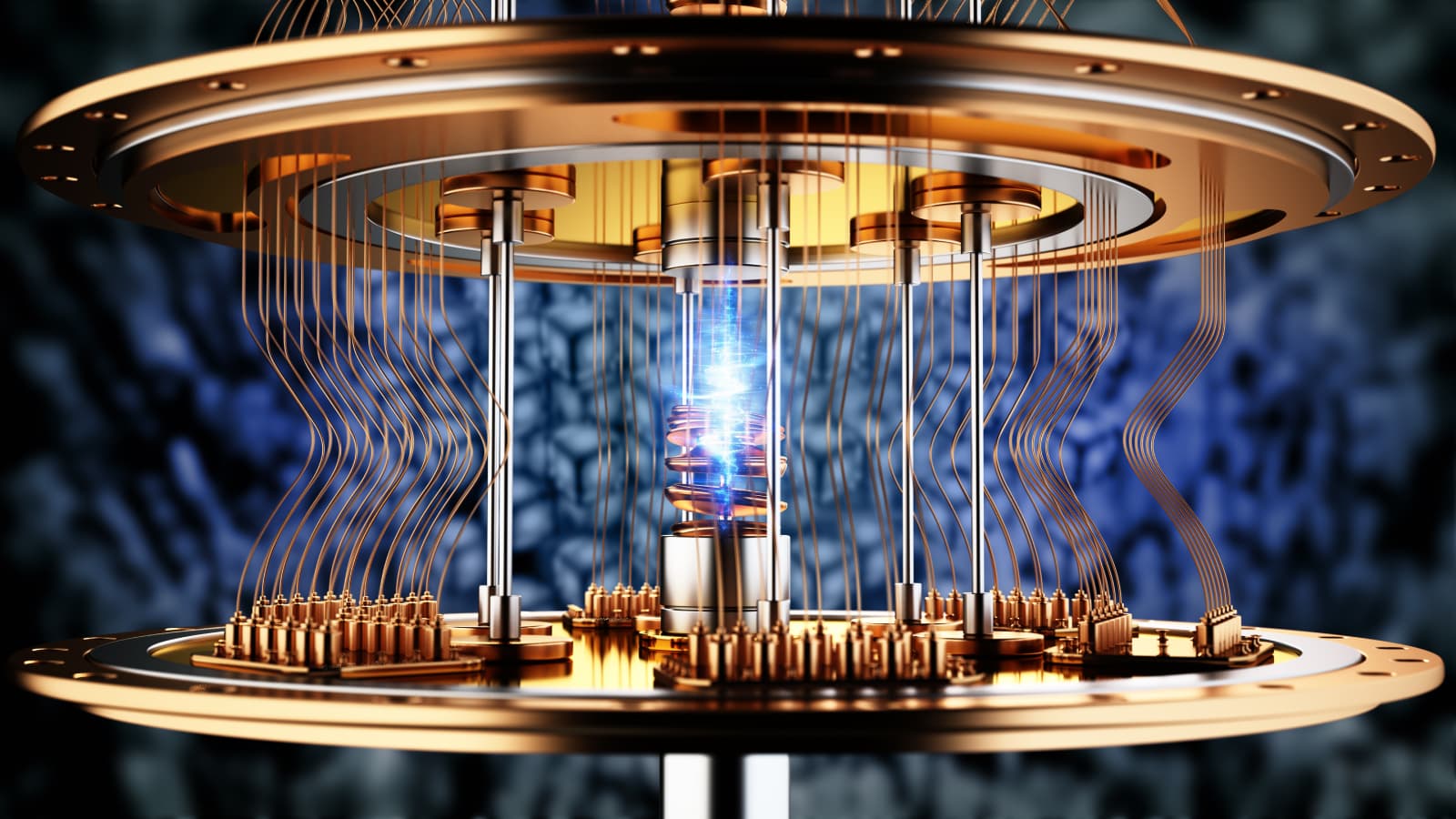
Unlike classical computers, which use bits to store and process information linearly, quantum computers use quantum bits, or "qubits." Qubits are unique because they can exist in multiple states simultaneously, allowing for exponential scaling in computational power. This shift from binary logic to quantum probability has significant implications for solving complex global challenges in fields ranging from material science to cryptography.